



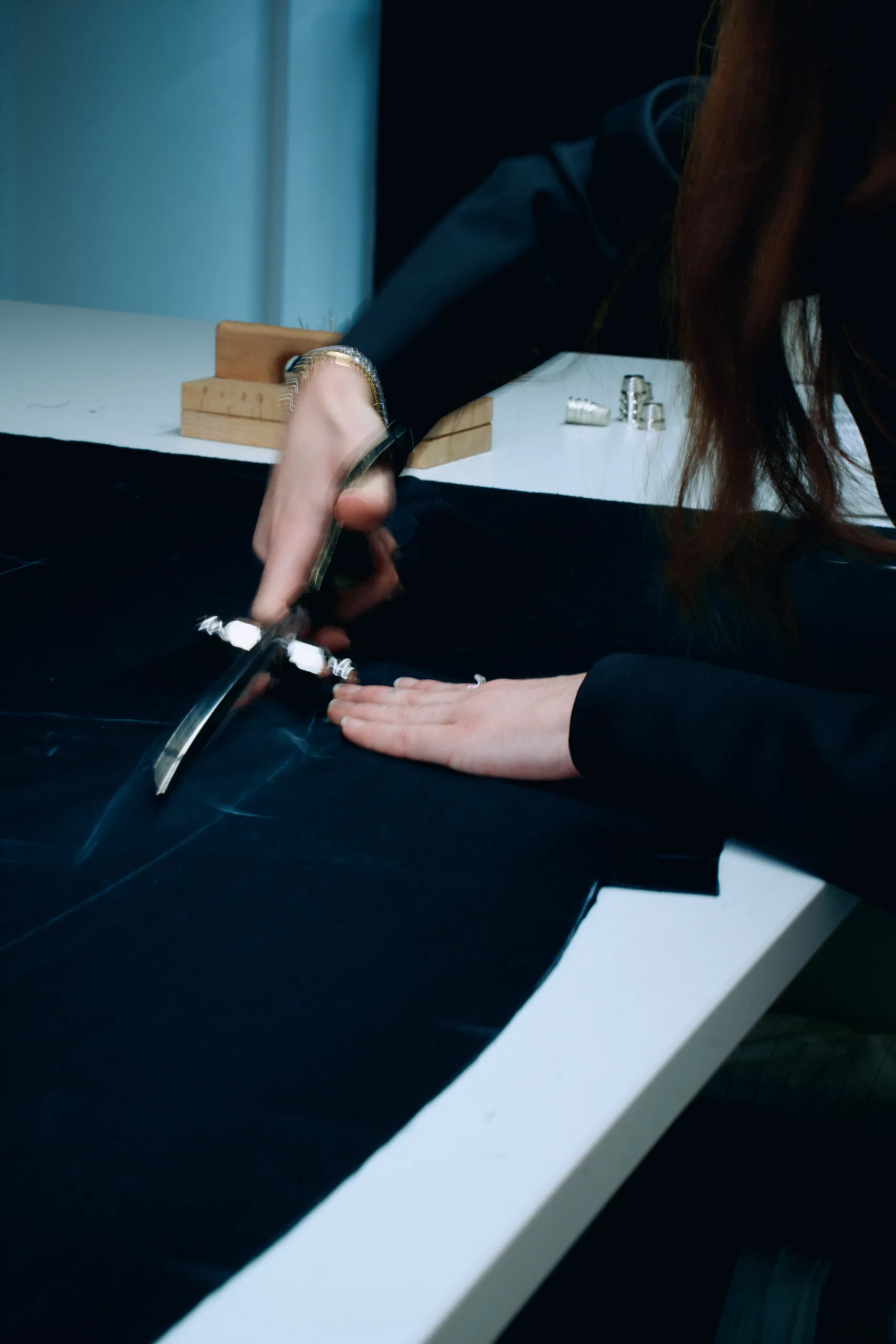
Kering Accademia per le Eccellenze was created to answer this challenge:
By 2035, Italy will be short of more than 75,000 master artisans. A heritage of knowledge, creativity and precision at risk of being lost.
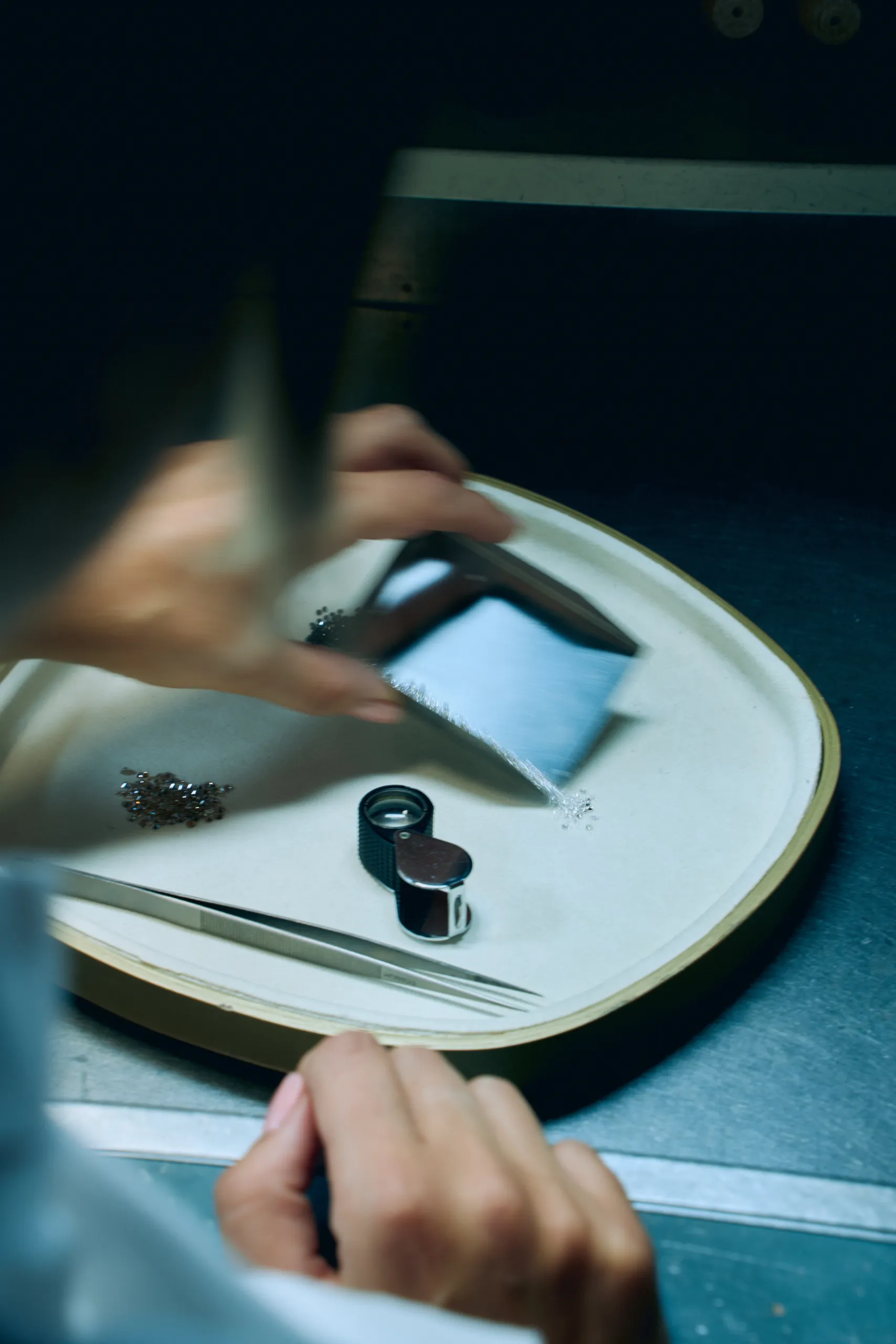
Safeguarding Italy's manufacturing heritage and evolving it, guiding the transformation of craft trades toward the future.
Training paths where craftsmanship meets critical thinking, ingenuity and technology.
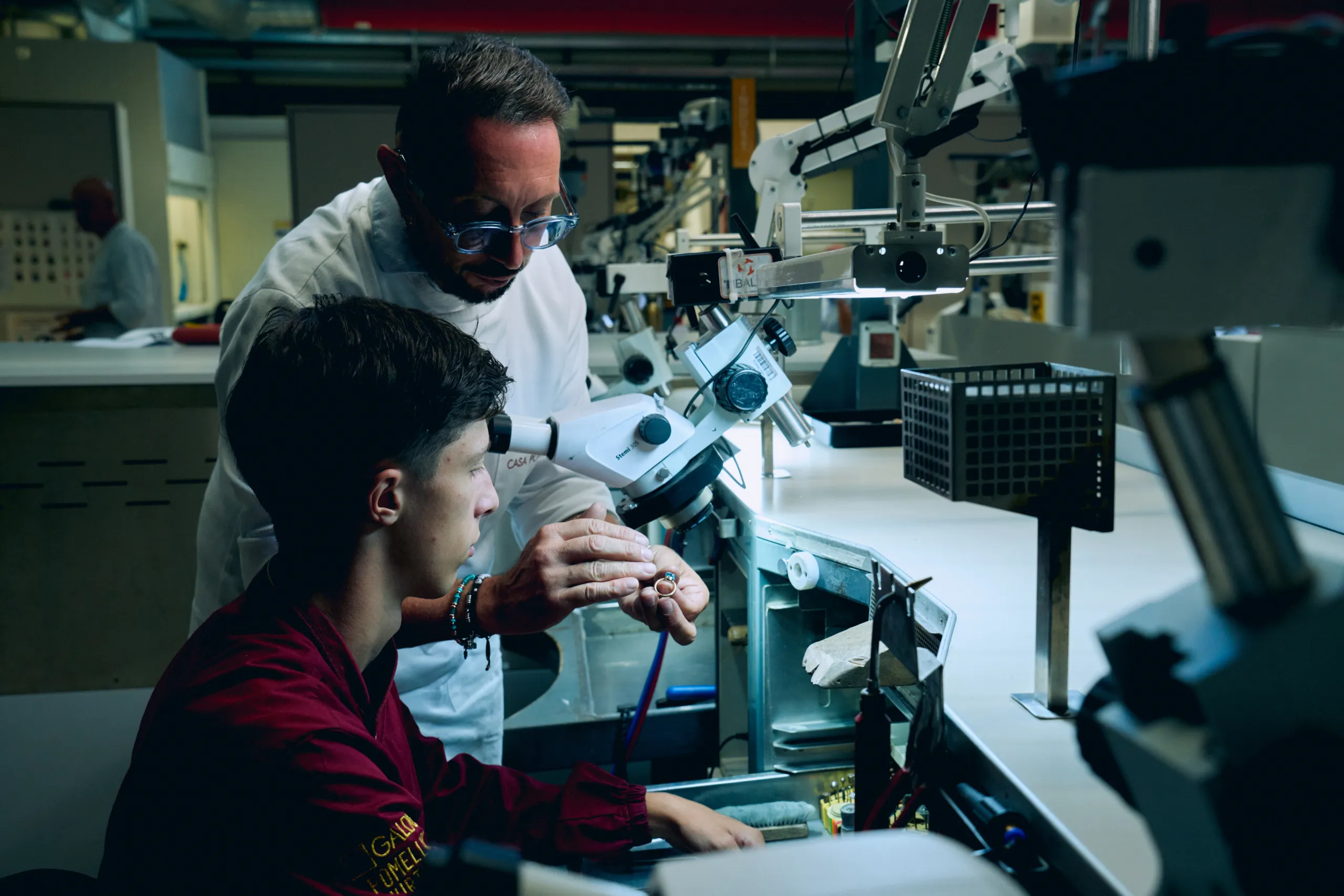
We combine handcrafted mastery with technological innovation, precision prototyping, strategic thinking and product culture.
We train well-rounded professionals, able to master materials and turn a vision into objects of excellence.
We look to the future guided by three principles:
We believe know-how is a living heritage
a story that you evolve through attention to detail, creative mastery and your own unique, unrepeatable skill.
We believe in the boldness of those who rewrite the rules
we want to challenge contemporary conventions, using technology to enhance your unique talent.
We believe opportunities take shape in your hands
we focus on hands-on learning in the field so you can build a solid future.
The ecosystem
A network spread across the territory. Guided by the excellence of the Maisons.
The Maisons are the beating heart of this system: they open the doors to their expertise, sharing masters and resources to shape the new generation of high-end manufacturing.
Present in Italy's key manufacturing districts, the Partner Schools are the physical place where learning takes shape, through centers of excellence, hands-on teaching and deep local roots.
Our Maisons


Partner schools



Our disciplines
Jewelry
Leather goods
Tailoring
Eyewear
Ready to Wear
Footwear
Fashion Communication & Management
Let’s get to know each other
FAQ
Kering Accademia per le Eccellenze (KApE) is a strategic initiative of the Kering Group dedicated to training the new generation of artisans of Excellence. It is not a school in a single building but a national network: it connects the prestige of the Group's Maisons — Gucci, Bottega Veneta, Brioni, Pomellato, Ginori and Kering Eyewear — with the expertise of the best academies and vocational institutes rooted in the areas where Italian excellence is actually made. Its coordinating headquarters is in Milan's MIND district, alongside a digital platform that shares standards, content and opportunities with the whole network.
The goal is to pass on the "intelligence of the hands" and project it into the future: craft knowledge is combined with new technologies, new materials and artificial intelligence, so that a craft becomes a profession able to move around the world.
Leave your details in the form on this website, telling us which area interests you and your current situation: student finishing lower secondary school, high school graduate, or professional already working in the sector. We will be happy to reply with all the information you need to enroll and to guide you towards the network school and the programme best suited to your profile.
Selection is managed by the network schools and the Maisons, under the supervision of the Academy: the network is open to everyone and admission takes place through a selection process based on aptitude, in line with the requirements of each programme. For 2026/27 some programmes have already started, while other formats (IFTS, ITS, upskilling, masterclasses) follow different calendars: contact us and we will tell you which admissions are still open and when those for the following year will open.
The offer is designed to meet different needs throughout an entire professional career:
- IeFP programmes (Vocational Education and Training). Four years, from age 14: professional qualification (EQF 3) in the third year and professional diploma (EQF 4) in the fourth.
- IFTS (Higher Technical Education and Training). 800–1,000 hours over about twelve months, for high school graduates and adults; half in the classroom and workshop, half in a company internship. Higher technical specialisation certificate (EQF 4).
- ITS Academy. Two years and 2,000 hours, 880 of which are internship. Higher technician diploma (EQF 5), the highest level of Italian vocational education.
- Upskilling. Intensive one-day, one-week or one-month programmes for professionals already working in the sector who want to update or specialise their skills.
- Reskilling. Three- to six-month programmes for those coming to luxury craftsmanship from adjacent sectors.
- Masterclasses. Single-topic sessions led by masters and experts, for professionals and advanced students; open enrollment or by invitation.
All formats include a cross-disciplinary curriculum: artificial intelligence and digital tools applied to craftsmanship, sustainability and circular materials, luxury brand culture, entrepreneurship and atelier management. Depending on the programme, teaching may take place in person, online or in hybrid mode.
It depends on the format. IeFP programmes are open at the end of lower secondary school, from age 14. IFTS programmes are open to adults with an upper secondary school diploma or an IeFP qualification. ITS programmes are open to holders of an upper secondary school diploma. Upskilling, reskilling and masterclasses are aimed at professionals and advanced students, with no age limits.
No previous experience is required for entry-level programmes: what matters is a vocation for craft and aptitude, assessed during selection together with the school and the relevant Maison. Each programme may have specific requirements linked to the funding scheme that supports it: we will let you know when you first get in touch.
The Academy is organised into six main areas, each rooted in the know-how of one or more of the Group's Maisons:
- Goldsmithing and jewelry. Stone setting, goldsmithing techniques, jewelry design, gemology.
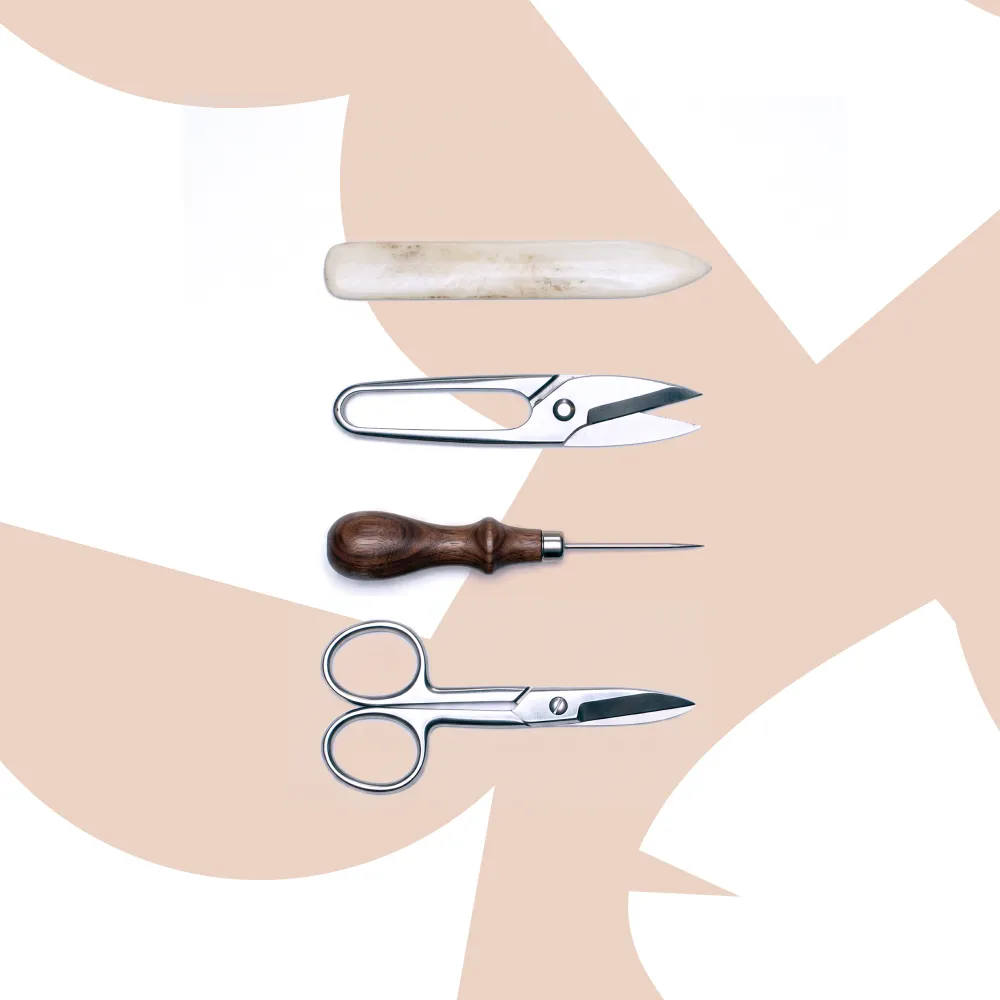
- Leather goods. Bag construction, shoemaking, intrecciato weaving, advanced leather techniques.
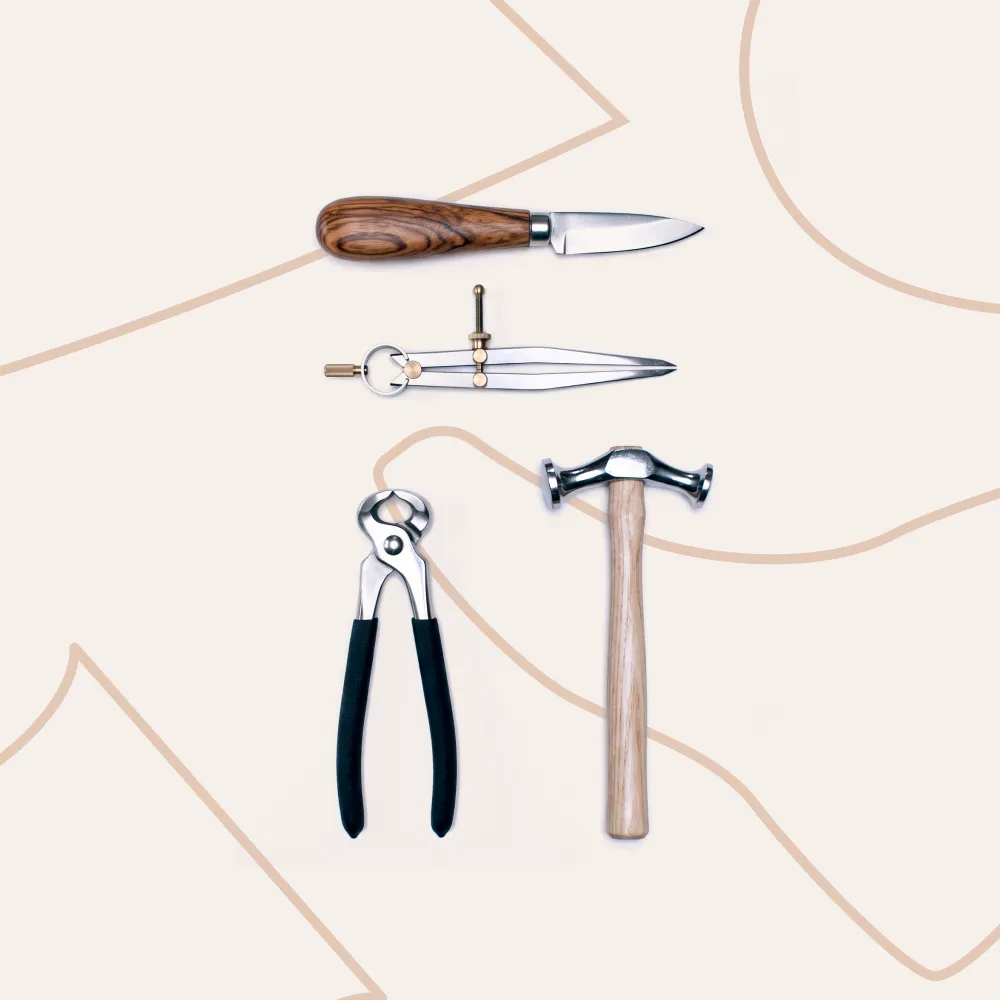
- Footwear. Study of footwear design and development techniques, from last construction to technical pattern-making. In-depth look at prototyping, assembly, finishing and product industrialization processes.
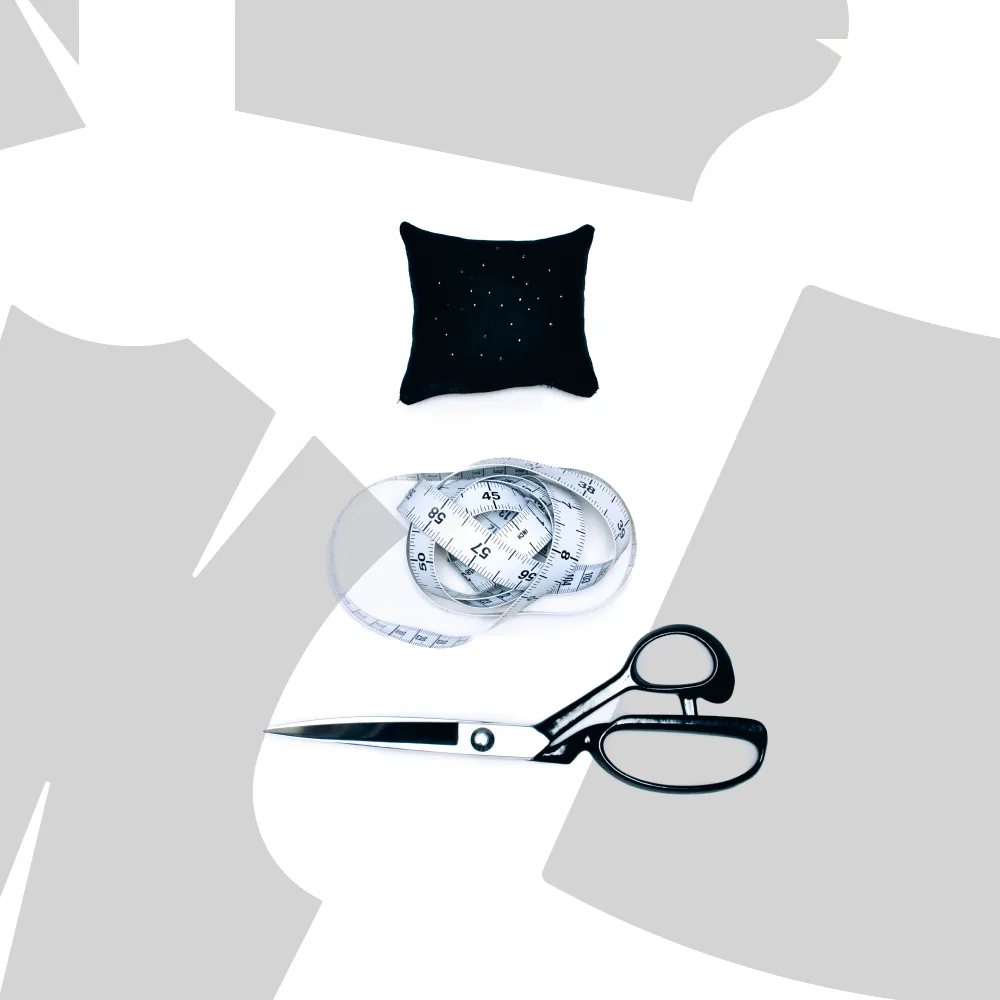
- Haute couture tailoring. Ready-to-wear, haute couture, bespoke tailoring, pattern-making, hand finishing.
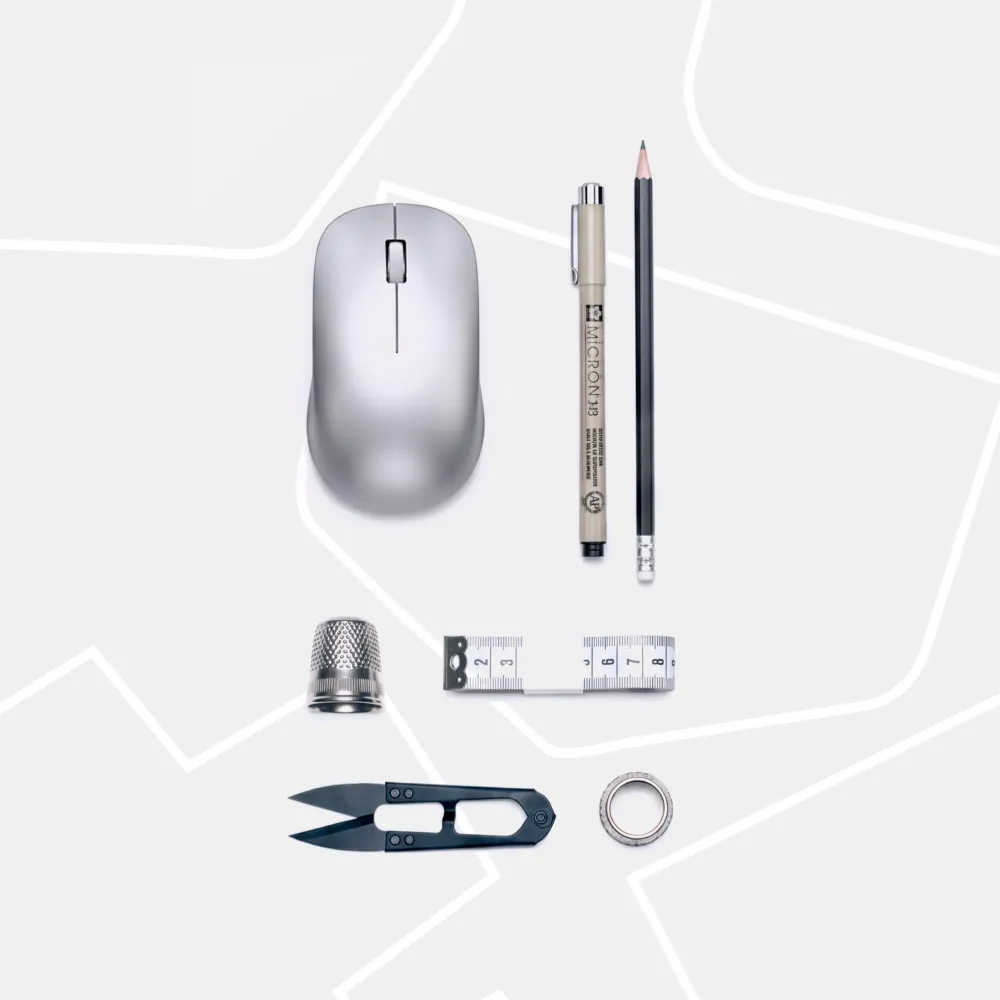
- Ready to wear. Product development activities, design, pattern-making, prototyping, production and quality control stages.
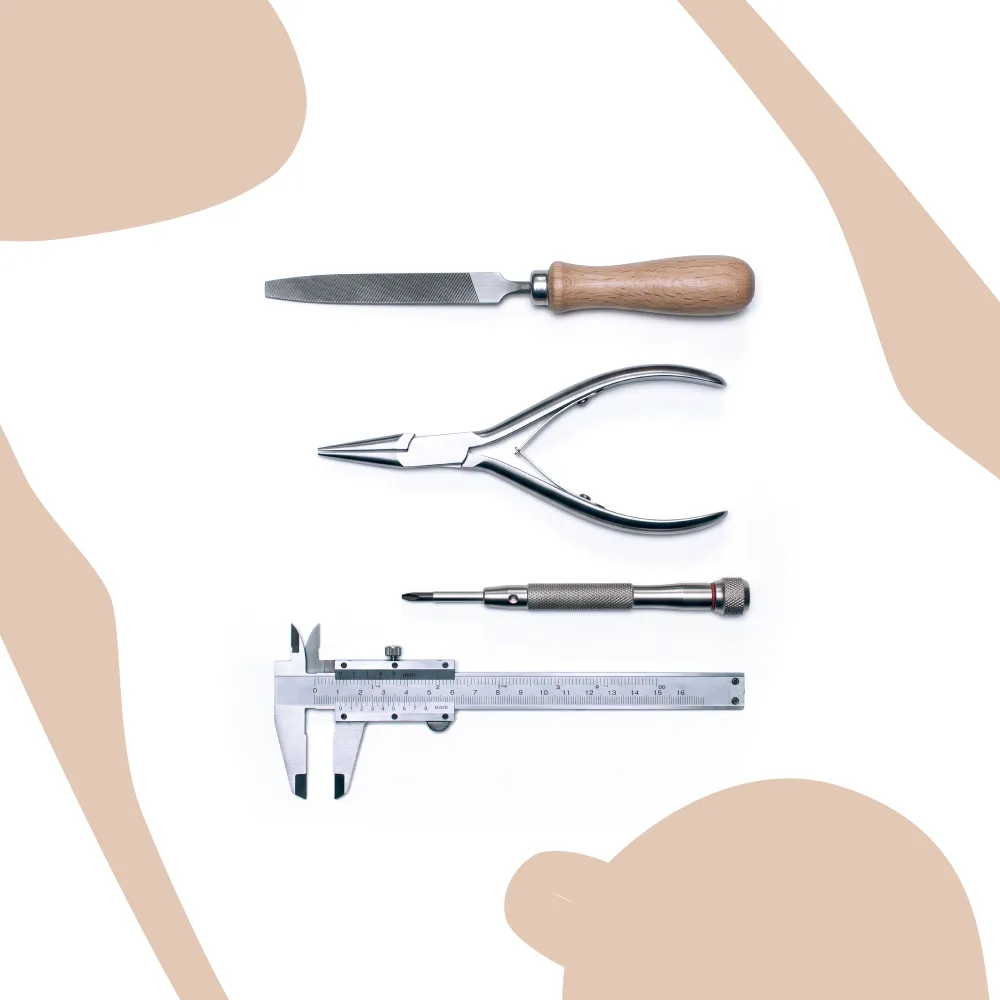
- Eyewear. Frame design, choice of materials, production techniques.
- Fashion Communication & Management. Study and application of the languages and tools of communication applied to fashion.
Three further areas — Ceramics & Porcelain, Clienteling & Retail Excellence and Hospitality Service — are in preparation and will open in the coming academic years.
The Academy was created to make excellence accessible. IeFP, IFTS and ITS programmes are part of the public education and vocational training system and are supported by public funding: in most cases there is no tuition fee for the student, or only a contribution according to the rules of the Region and of the school delivering the programme.
Upskilling, reskilling and masterclass programmes have specific conditions, communicated at the time of enrollment. When you write to us, we will tell you exactly what the financial conditions are for the programme you are interested in.
Not necessarily. Training takes place mainly in the network schools, spread across the country and close to the luxury production districts.
MIND is not the permanent venue for the courses: it is the hub where the Academy organises masterclasses and intensive training sessions with master artisans and Maison professionals, attended by students from across the network. The updated list of schools and locations is in the network section of this website.
The network was created precisely to bring training closer to local communities and reduce the need to relocate. If the programme you are interested in is still far from home, the relevant school will help you find accommodation: each location operates in its own city and knows the residences, colleges and facilities it works with.
Tell us on the form where you are from and which programme interests you: we will put you in touch with the school, which will give you all the practical information, including any active agreements and available benefits.
At the end of the programme you receive two credentials. The first is the official qualification of the chosen format — IeFP professional qualification or diploma, IFTS higher technical specialisation certificate, ITS higher technician diploma — issued within the public education and training system and therefore fully recognised in Italy and Europe (EQF levels 3, 4 and 5). The second is the Kering Accademia per le Eccellenze certificate, which attests distinctive skills in line with the quality standards of the Group's Maisons.
Legal value is guaranteed by the public system; competitive value is amplified by Kering. The qualifications also allow you to continue your studies: from the IeFP qualification to IFTS and ITS, and from the ITS diploma to university, with recognition of training credits.
The Academy does not guarantee employment and does not train exclusively for the Kering Group: the qualifications and skills you acquire can be used across the entire luxury and fashion supply chain. What we offer is a programme built together with the Maisons: the opportunity to do a structured internship at a Kering Maison or partner company — from a minimum of 400 hours in IFTS up to 880 hours in ITS — with direct feedback from supervisors, teaching by Group professionals, and visits to ateliers and production sites. Knowing the Maisons' production processes and standards from the inside is highly valued during recruitment.
All students receive support and guidance for entering the workforce; the most deserving are given priority access to open positions in Kering Group companies. Our goal is to increase, in every region of the network, the employment rate within six months of graduation.
The teaching staff is made up of highly qualified professionals in the crafts and production processes of luxury and fashion. Three figures work together in the classroom and workshop: teachers and trainers from the network schools, who ensure the continuity of the programme; master artisans and technicians from the Kering Group's Maisons, who bring the know-how of those who practise excellence every day — each specialty includes teaching hours delivered by Maison staff; and external experts selected for specific skills, particularly in new materials, digital technologies and artificial intelligence. Teachers are selected jointly by the Maisons and the Academy on three criteria: technical skills, professional experience and the ability to pass on know-how in a structured training context. On top of this come masterclasses at MIND and at network locations, and ongoing training for trainers, so that those who teach also keep pace with how the crafts evolve.
The Academy is not only for beginners: part of the offer is designed for those who are already artisans, technicians or professionals in the supply chain. There are three options. Upskilling: intensive one-day, one-week or one-month programmes to update or specialise a skill — a technique, a material, a digital tool. Reskilling: three- to six-month programmes for those coming to luxury from an adjacent sector who want to bring their craft up to the standards of high-end manufacturing. Masterclasses: single-topic sessions with masters and experts, open enrollment or by invitation.
If you are looking for a recognised qualification, the IFTS — about one year, half in the classroom and half in a company — is the natural step for those already working in the supply chain who want to certify their skills at EQF level 4. Many of these programmes can be taken in hybrid mode or online through the Academy's platform and, depending on the case, funded through continuing education schemes. Write to us with your current role and the goal you want to achieve: we will suggest the most suitable format.
Yes, inclusion and accessibilty have been part of the project from the start. The Academy was created so that every young person can access quality programmes without their place of origin or background being a limitation: that is why it is a network spread across the country rather than a school in a single city, and why selection is based on aptitude rather than prior experience. The spaces also, starting with the Kering Lounge at MIND, are designed as open, barrier-free places where students, masters and professionals meet on a footing of genuine exchange.
The network schools operate within the public education and vocational training system and meet its standards: accessibility of spaces and workshops, safety, protection of minors and personal data, personalised support for students with disabilities or specific learning disorders, and attention to young people furthest from the job market. Teamwork, a culture of diversity and sustainability are also part of the cross-disciplinary curriculum of every programme. If you have specific needs, write to us: we will put you in touch with the partner school to explore the available solutions together.